









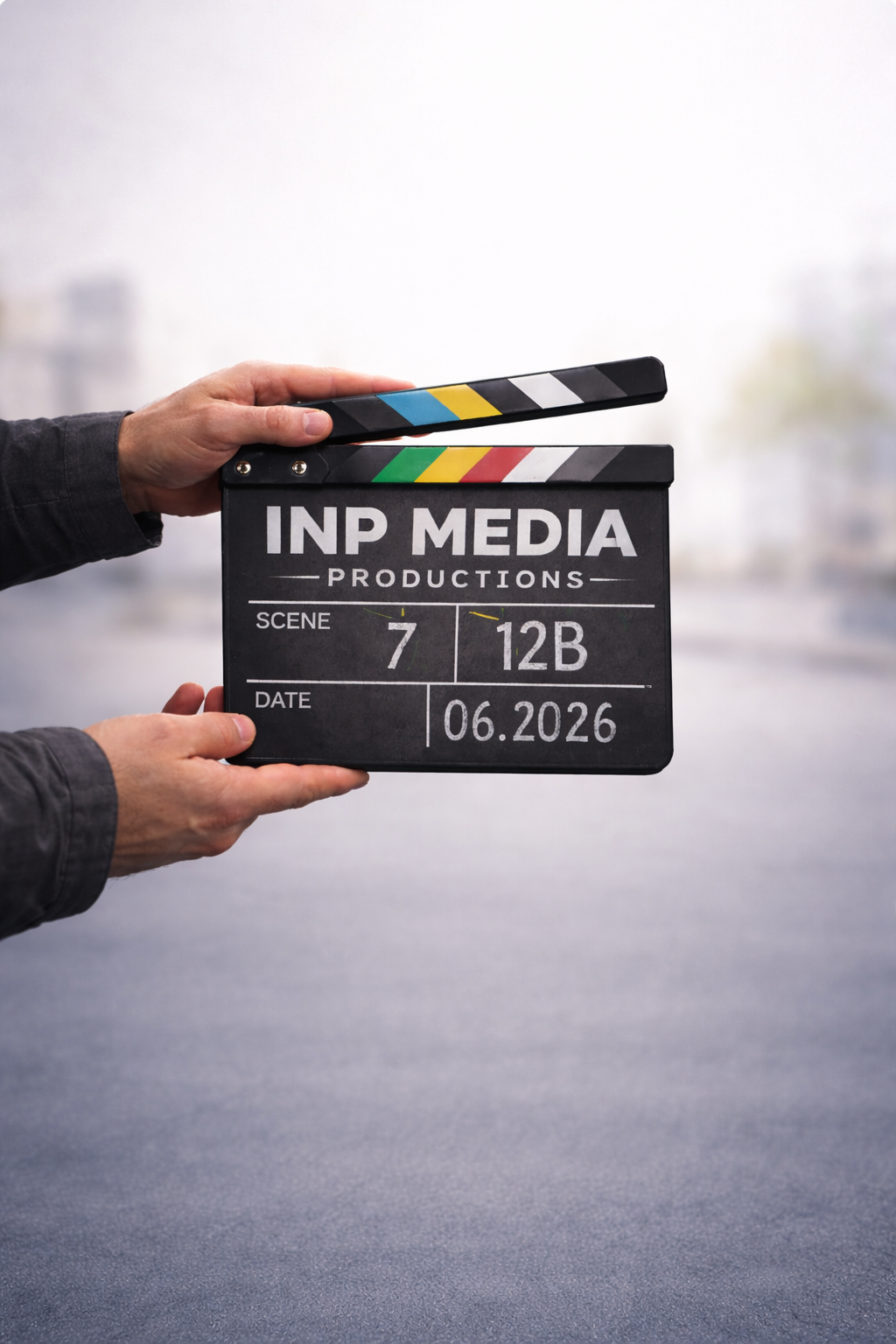
The Ultimate Guide to Modern Film Production: From Concept to Distribution (2026)
Introduction
In an era where visual content dominates online engagement, professional film production has never been more essential for brands, creatives, and storytellers. Whether you’re launching a corporate video, shooting a social media campaign, or producing a short film, understanding the full production lifecycle—from idea to distribution—is key to success in 2026 and beyond.
At INP Media, we’ve worked with businesses, directors, and creatives to shape compelling films that not only look cinematic but also deliver measurable impact. This guide is designed to give you a detailed and SEO-optimized roadmap to modern film production, packed with best practices, tools, and insights that will elevate your next project.
1. Pre-Production: Where the Magic Begins
Pre-production is the foundation of any successful film project. It’s where ideas get structure, budgets get planned, and teams get aligned.
Story Development and Scriptwriting
Every great film starts with a story. Whether you’re creating a brand film or narrative short, invest time in developing a clear script with well-defined objectives, audience insights, and a compelling narrative arc. Keep search terms like film storytelling, scriptwriting tips, and story development process in mind for SEO relevance.
Budgeting and Planning
A realistic filming budget is essential. Consider everything from crew rates and equipment hire to location fees and post-production costs. A well-planned budget saves time and maximises creative freedom.
Here’s what to include:
-
Crew and talent costs
-
Equipment and gear hire
-
Location permits and travel
-
Post-production and editing
-
Marketing and distribution
Casting and Crew Selection
Finding the right crew and cast isn’t just about talent—it’s about alignment. Choose people who share your creative vision, are communicative, and bring professional experience. Using the right film production crew keywords in your content helps search engines understand your topic and boosts your SEO.
2. Shooting On-Set: Best Practices for 2026
Once pre-production is complete, it’s time to go into production. This phase is where your vision materialises on camera.
Cinematography and Camera Techniques
Using tried-and-tested cinematography techniques can dramatically elevate your final film. Master the art of framing, composition, and lighting. Terms like cinematography tips and camera setup guide are useful for search engine optimisation.
Virtual Production & LED Stages
A major trend in contemporary filmmaking is on-set virtual production. Technologies like LED volume walls allow filmmakers to create immersive, realistic environments without travelling to multiple locations. These innovations have transformed both big Hollywood sets and smaller indie projects alike.
Discussing virtual production and innovative tech in your blog not only informs your audience but also improves SEO with forward-looking keywords such as virtual production techniques and LED stage filming.
Lighting and Sound
Great visuals mean nothing without clear audio. Optimise your shots with a professional lighting design and record clean sound using boom mics, lavaliers, and audio recorders. Including lighting for film production and sound recording tips early in your content helps connect with search intent.
3. Post-Production: Turning Footage into Film
Post-production is where you refine your raw footage into a polished final product.
Editing and Colour Grading
This stage defines the pacing and emotional tone of your film. Colour grading enhances mood and aesthetic, turning good shots into cinematic ones. Mention video editing techniques and colour grading guide in subheadings to target these keywords effectively.
Visual Effects (VFX) and CGI
Adding visual effects is no longer reserved for blockbusters. Affordable CGI tools and software allow even indie filmmakers to enhance scenes with believable effects. Learn how CGI can transform your storytelling. Including CGI in filmmaking and VFX tips in the text boosts relevance.
Sound Design and Music
Don’t underestimate sound design. From ambient tracks to foley effects, sound layers breathe life into your visuals. While writing, consider keywords such as sound mixing for film and music licensing tips.
4. Film Distribution: Reaching Your Audience
Creating great content is only half the battle—getting it seen is the rest. Your distribution strategy determines how far your film travels.
Online Platforms vs Traditional Distribution
Digital platforms like YouTube, Vimeo, and social media are powerful, cost-effective ways to reach audiences globally. However, a smart strategy balances platform SEO with audience targeting and engagement metrics. Seph terms like film distribution strategies and video SEO tips help position this content in search.
Maximising SEO for Film and Video Marketing
Search Engine Optimisation isn’t just for written content—it’s essential for videos too. Use strong, relevant keywords in video titles, descriptions, and tags. Internal links to related blog posts and films keep visitors engaged on your website longer, which boosts site authority.
Also consider running PPC campaigns or paid ads to amplify reach, especially when launching trailers or new films.
5. Emerging Trends Shaping Film Production in 2026
As the film industry evolves, so too should your approach to production and content creation.
Artificial Intelligence in Film Creation
AI is redefining how films are made—from script analysis and rough cuts to marketing insights and predictive analytics. While AI tools can amplify productivity, human creativity remains at the core of storytelling. Using terms like AI in filmmaking and film production technology trends captures broader search interest.
User-Generated Content & Community Engagement
User-generated content (UGC) is a powerful way to build buzz around your films. Encourage audiences to share reactions, behind-the-scenes shots, reviews, and more. Not only does this deepen engagement, it also enhances organic reach.
Production Diaries and Behind-the-Scenes Content
Production diaries are a growing trend where filmmakers share real-time updates and insights from the making of a project. This builds anticipation and adds depth to your marketing strategy.
6. Practical Tips to Improve Your Blog’s SEO and Engagement
Your film production blog should be more than promotional—it should be educational, inspiring, and strategic.
Use Target Keywords Naturally
Choose long-tail keywords related to film production and sprinkle them throughout headings, meta descriptions, and body copy. Avoid keyword stuffing—focus on readability and relevance.
Include Internal and External Links
Link to other relevant blog posts, service pages, or authoritative industry sources. This improves user experience and helps search engines discover more pages on your site.
Add High-Quality Images and Video Content
Where appropriate, embed short clips from your work or behind-the-scenes photos. Name image files with SEO keywords (e.g., film-production-crew-on-set.jpg) to help boost visibility.
Engage with CTAs (Calls to Action)
At the end of each section, include calls to action like “Contact us for a quote”, “Watch our showreel”, or “Download our production checklist”. Well-placed CTAs can increase conversions and keep users on your site longer.
Conclusion: Elevate Your Film Projects in 2026
Film production is an art, a craft, and a strategic business. From storytelling and pre-production planning all the way through to distribution and SEO optimisation, every step matters.
By understanding the latest trends, applying best practices, and regularly updating your blog with high-value, keyword-rich content, you position your business as an authority in the film production world.
Whether you’re a brand looking to enhance your content strategy or a filmmaker crafting your next project, INP Media is here to help you tell your story with impact.
 Prev
Prev
